Both photojournalism and art photography have the ability to make people think. Some of the most moving press photos are the ones that depict hardships people face such as natural disasters, war and discrimination. (Most) people will naturally feel saddened or angered by these types of photos and once that happens, the photographer has achieved his or her goal. Art photography has virtually no restrictions and therefore art photographers have more freedom to shoot whatever type of photos they want, even editing them to reach a broader audience.
Art photography and photojournalism could both be considered forms of art in my opinion, however press photographers must adhere to ethical guidelines which include making sure the subject or content of the picture is taken from an impartial standpoint. They are simply used to tell the story in a factual and unbiased way. This does not stop many press photographs from becoming iconic works of art. One example is the photo of American soldiers raising the flag on Mount Suribachi, Iwo Jima. (Unfortunately I could not find said photo within public domain.) The following pictures were taken by me and were my choices for my "art photographs." I was free to edit them, however I chose to leave them as they were. It looks like I changed the colour of the lake photo, however it was the window of the train that did it.
 |
| Lake Ontario in November - taken from inside a train |
 |
| My salmon gateau |
Although I said both art and press photography can tell a story, art photography can tell any sort of story the photographer wishes; even a fictional one, while photojournalism is based on news stories and real life events or people. Keeping this in mind, I think it is perfectly fine for any sort of editing or alterations to a photograph that is intended as art. Editing can help the photographer to share their photos the way they intended them to be seen while allowing the audience to interpret them in their own way. Photojournalism, on the other hand, is meant to convey a truthful, accurate and unbiased message to its audience and therefore I believe it would be unethical to alter press photographs. People are upset when they find out someone has lied to them, regardless of how big or small the lie. In my opinion, editing a photo that is meant to be news is a form of lying and is therefore unacceptable. If photojournalists could just edit photos however they wanted there would be no trust between the media and the public (although many don't trust the mainstream media as it is).
The two photos I chose as press photographs are below. The first was taken by Sgt. Hewitt of the Army Film and Photographic unit on June 3rd 1945. It depicts the Reichstag building after the allied bombing of Berlin. The second photo shows a Mark II tank providing cover for advancing Canadian soldiers at the Battle of Vimy Ridge.
The two photos I chose as press photographs are below. The first was taken by Sgt. Hewitt of the Army Film and Photographic unit on June 3rd 1945. It depicts the Reichstag building after the allied bombing of Berlin. The second photo shows a Mark II tank providing cover for advancing Canadian soldiers at the Battle of Vimy Ridge.
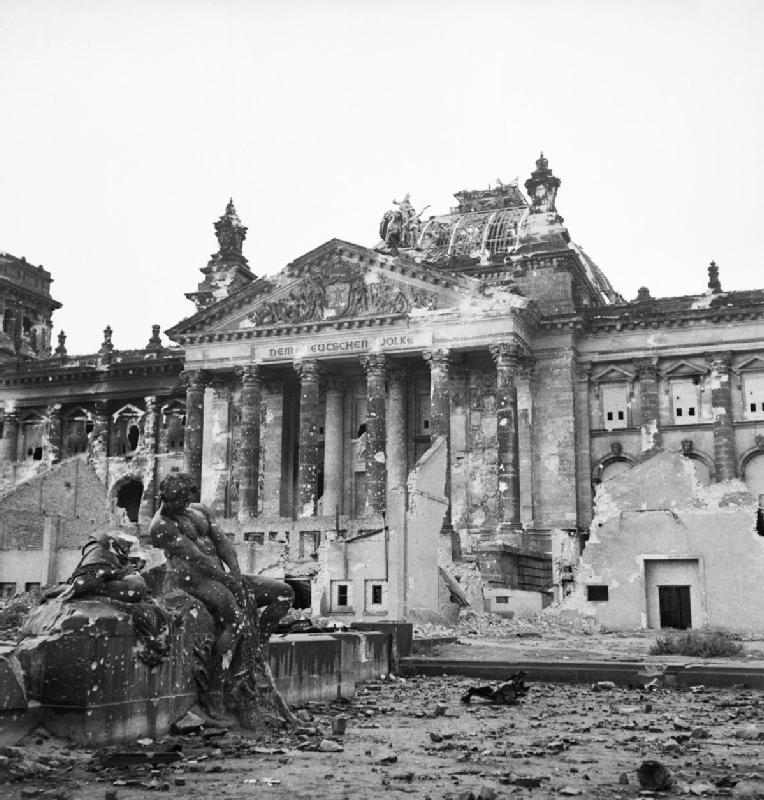 |
| The Reichstag building after the Allied bombing of Berlin |
 |
| Canadian tank and soldiers at the Battle of Vimy Ridge |
Sources:
(1) https://docs.google.com/viewer?a=v&pid=sites&srcid=ZGVmYXVsdGRvbWFpbnxzaG9vdGluZ3RoZXRydXRofGd4OjRmNDAzZGZlNjZmMDhkYmE
https://en.m.wikipedia.org/wiki/Photojournalism
https://en.wikipedia.org/wiki/Reichstag_building#/media/File:Reichstag_after_the_allied_bombing_of_Berlin.jpg
https://en.wikipedia.org/wiki/Battle_of_Vimy_Ridge#/media/File:Canadian_tank_and_soldiers_Vimy_1917.jpg
https://en.wikipedia.org/wiki/Reichstag_building#/media/File:Reichstag_after_the_allied_bombing_of_Berlin.jpg
https://en.wikipedia.org/wiki/Battle_of_Vimy_Ridge#/media/File:Canadian_tank_and_soldiers_Vimy_1917.jpg

No comments:
Post a Comment